
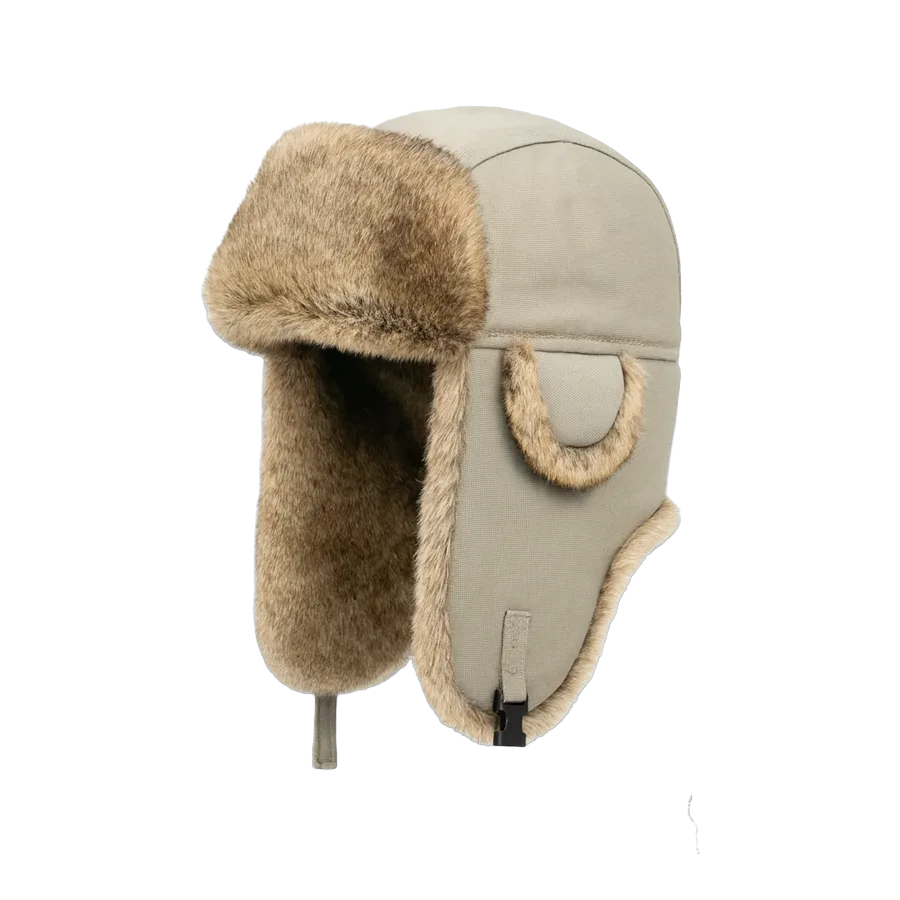
The Ushanka Trapper Cap
A classic winter silhouette, rebuilt with clean lines and sharper proportions. Fully lined, fully reversible, engineered to sit close to the head with a deep crown and functional ear flaps.
Before you buy fabric
How much fabric do you need?
Pick the garment, your size and the width of the cloth you're buying.
All calculations are made from the full-size A0 sheet: every panel measured and laid next to each other with the grain running straight, for every size. Then we add 5% (a real cutting table never packs as tight as a computer) and 0.5 m spare, which covers a recut, a flaw in the cloth or a piece that slips off grain, and saves you hunting for a dye lot that's gone. The width you enter is taken as the full roll; 2 cm is left for the selvedge.
pattern
One of the early ones
This is one of the first patterns I drafted. It is a full course with the same build-along treatment as everything else — but it predates the sizing system and the drafting standards used across the newer catalogue, so expect fewer sizes and a rougher-looking sheet.
It still builds, and it is still one of the most trusted early ones. For the current standard, look at the Yard Jacket or anything released recently.
Watch it made before you cut

What to make it in
Weights and sourcing are in the materials list that comes with the pattern.
What arrives
Never printed a pattern before? The print & tiling guide covers it in about twenty minutes.
Measure the 2″ test square first. It's the only thing that goes wrong, and the only thing you can't undo. Print at 100%, from a laptop rather than a phone.
Buy a little more fabric than you need, and run the tricky part once in something cheap before you touch the good stuff.
Never made a pattern before? Start with the free ones — they're the same system, no risk.
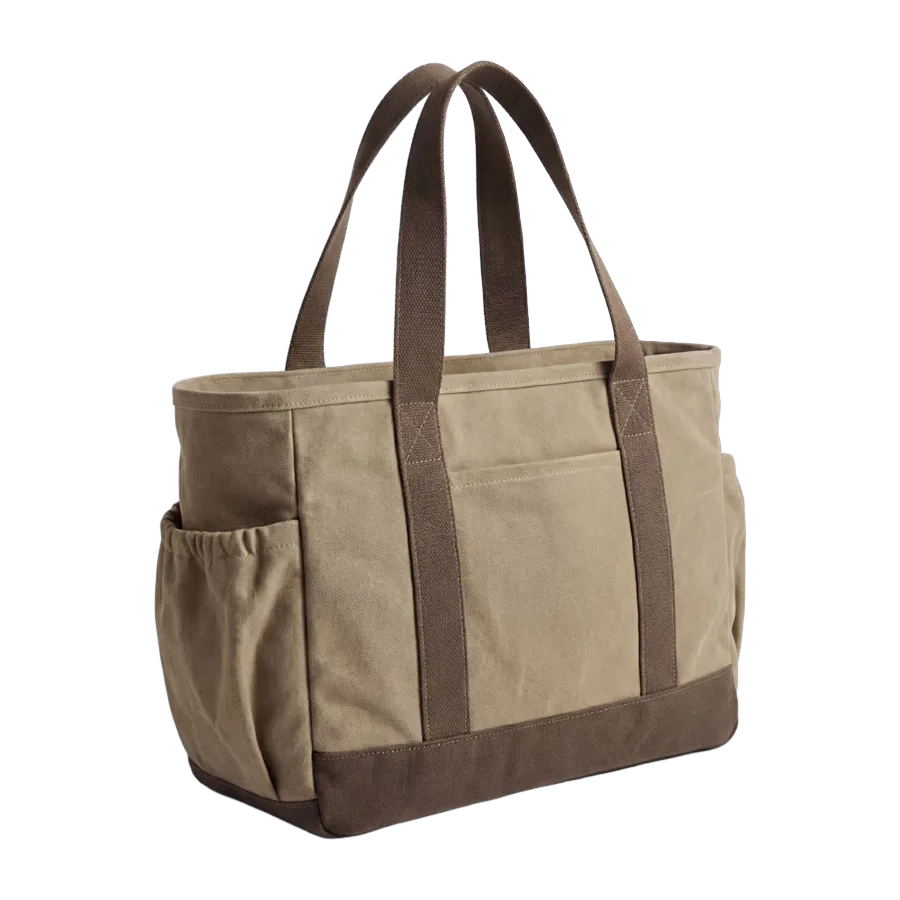
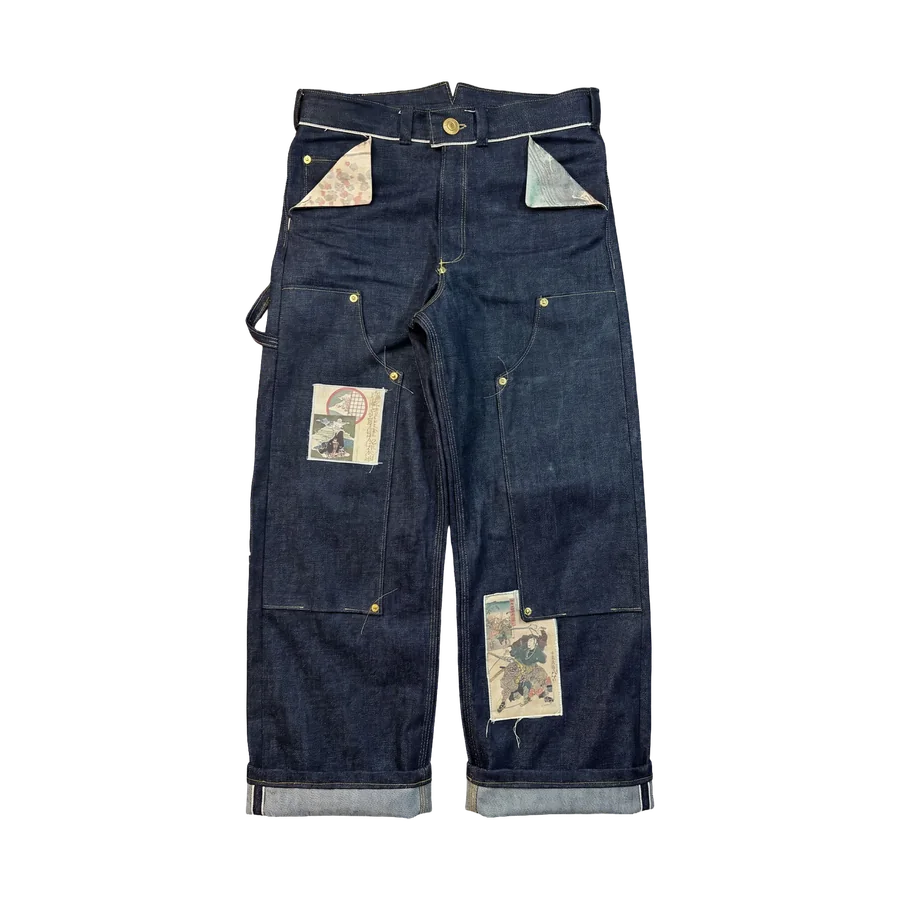
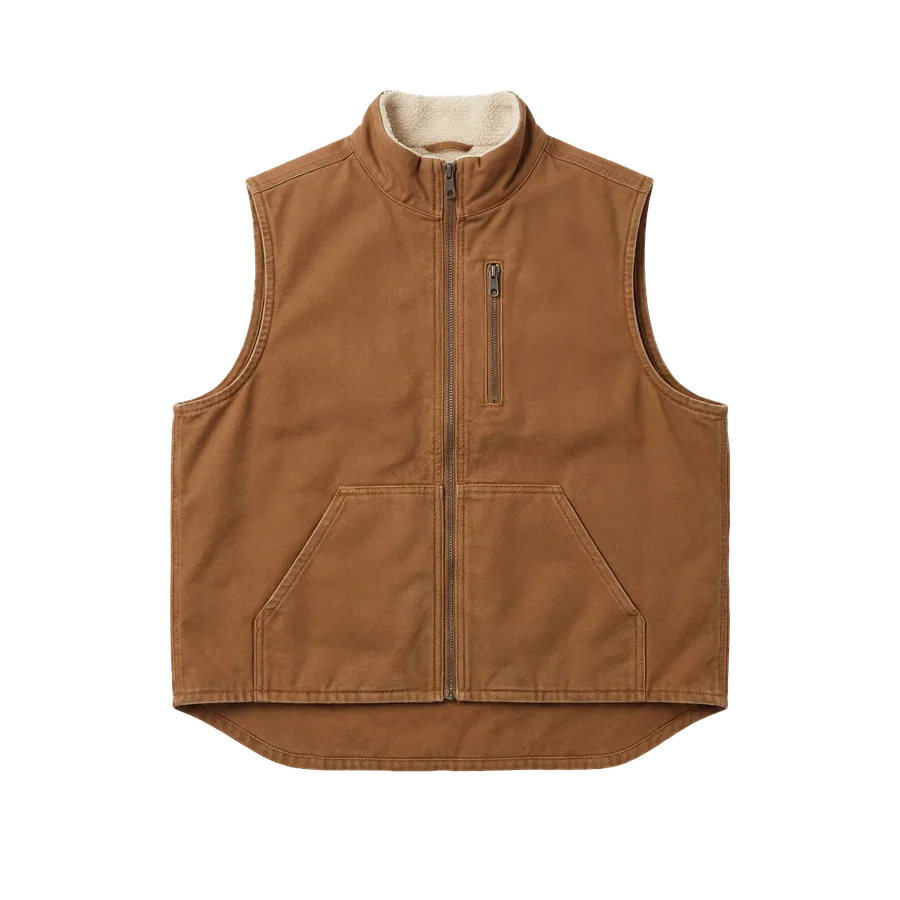
Goes well with
Stuck? Message me.
Not a help desk — me, on WhatsApp, usually the same day. Missing files, printing trouble, or a seam that isn't behaving.
Message on WhatsApp →